

Although advanced prostate cancer is not curable, current treatments can slow disease progression, manage symptoms and extend life expectancy. However, side effects such as increased risk of cardiovascular disease, mood and anxiety changes and sexual dysfunction can significantly affect a patient’s quality of life.
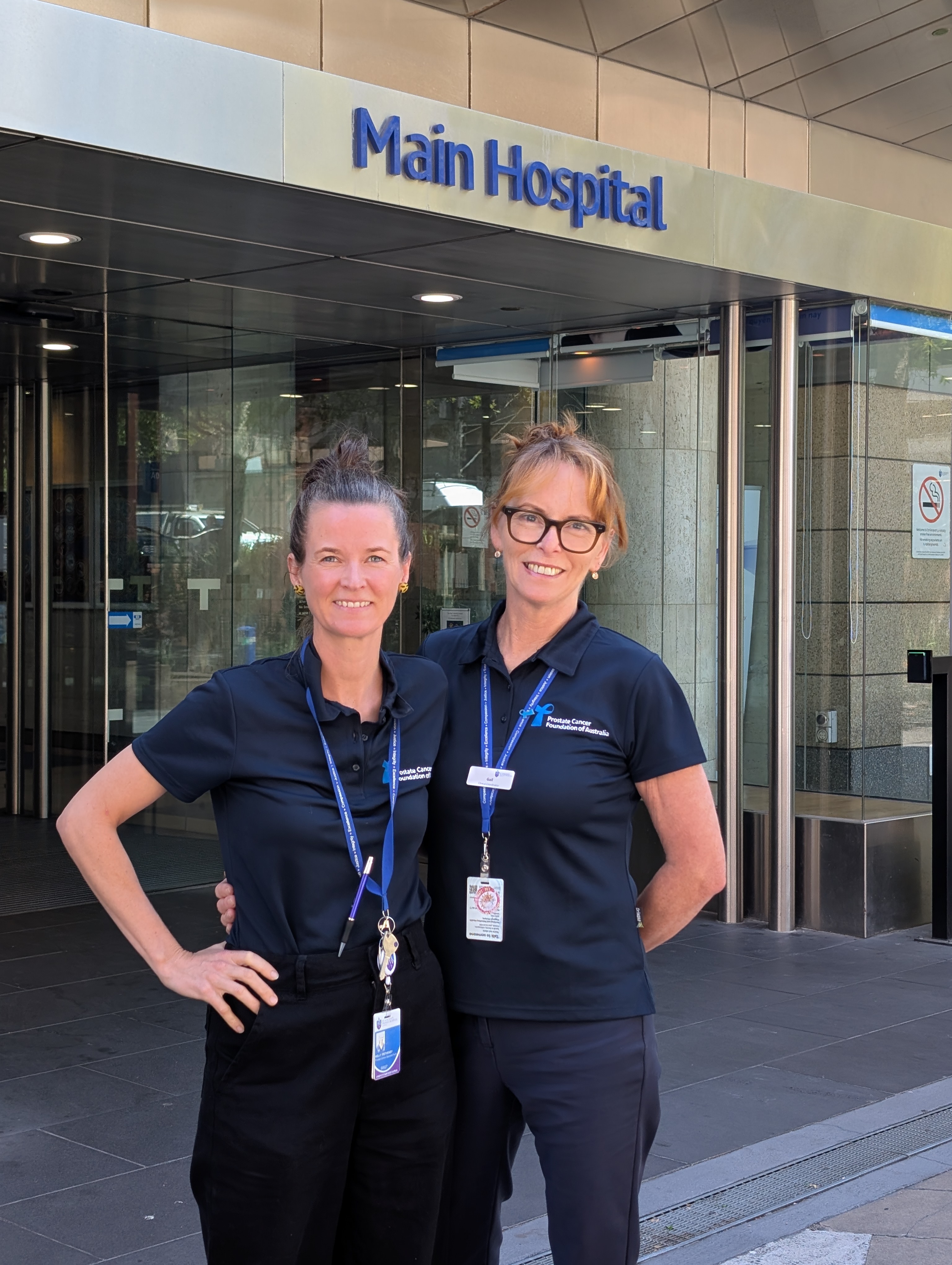
Prostate Cancer Specialist Nurses, Molly Tretheway and Gail Tzounos
Thanks to a generous donation from Freemasons Foundation Victoria, St Vincent’s is piloting a new hormone therapy clinic for men with advanced prostate cancer.
Our Androgen Deprivation Therapy clinic is supporting men through their treatment, which involves reducing or blocking the production of testosterone with the aim of slowing the growth of cancer cells. Testosterone is one of several male hormones known as androgens, which while important for a healthy prostate, can also help cancer cells grow and spread.
Led by St Vincent’s Prostate Cancer Specialist Nurses, Molly Trethewey and Gail Tzounos, the ADT clinic sees patients who have advanced prostate cancer.
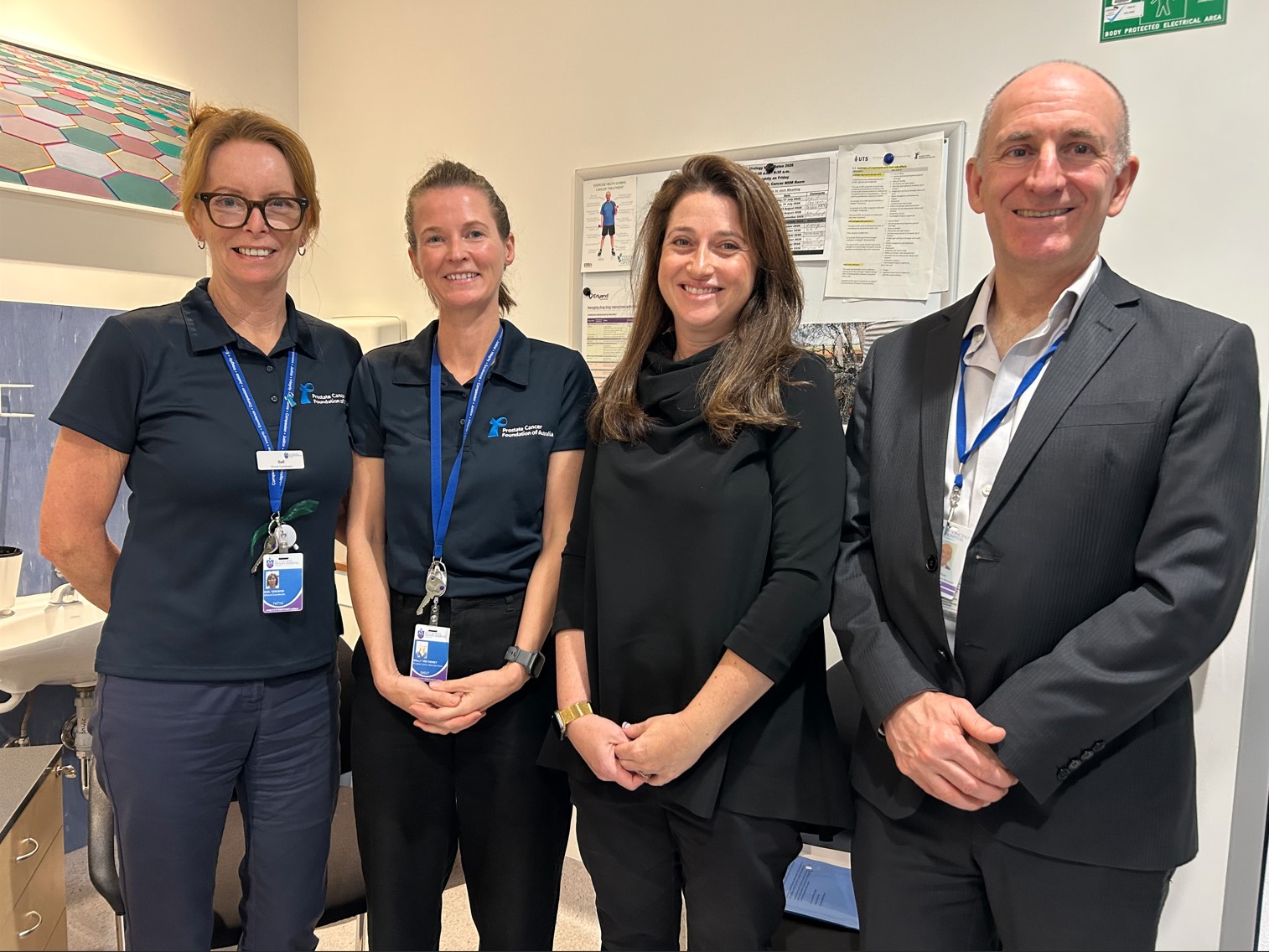
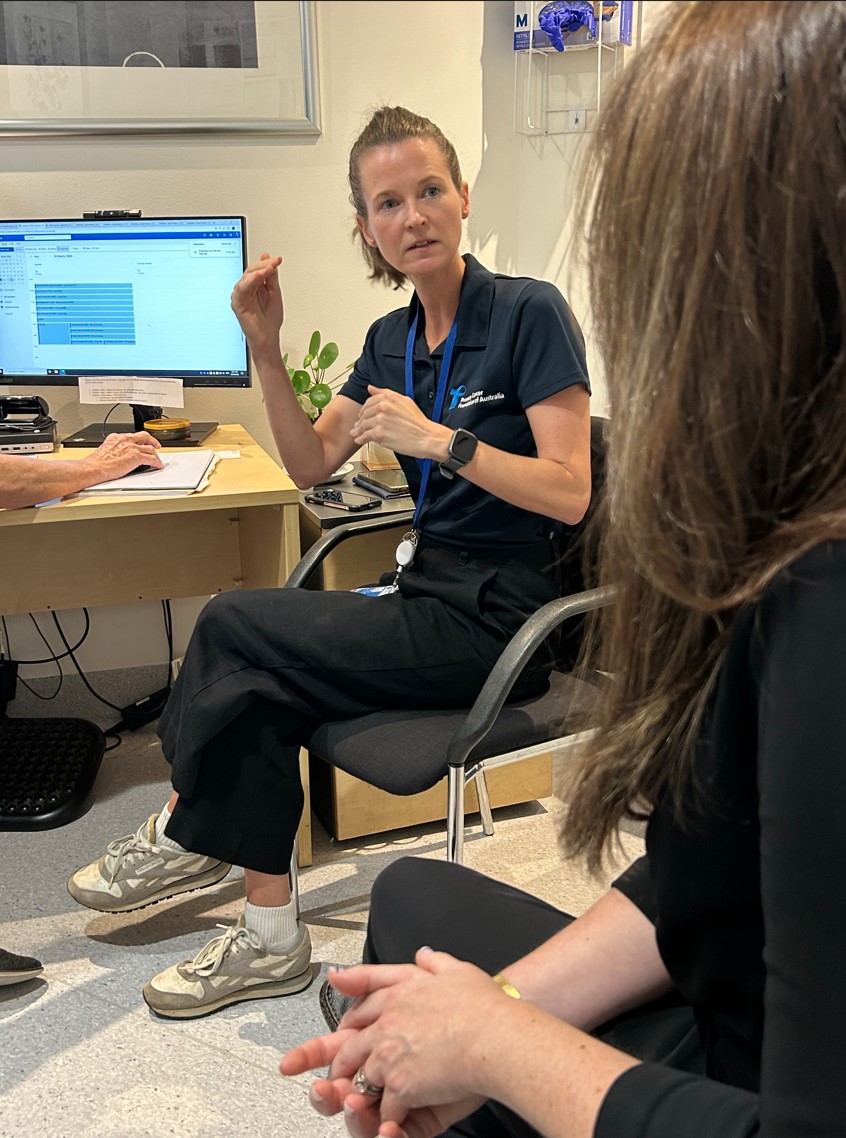
Freemasons Foundation Victoria CEO, Sandra Jacobs, met with our Prostate Cancer Specialist Nurses, Molly Trethewey and Gail Tzounos last month to hear about the positive impact their donation is having on men and their families. We are incredibly grateful for their support.
“The inspiration in setting up the nurse-led clinic was to help men feel more supported when they begin hormone therapy by providing dedicated, evidence-based and compassionate support. The clinic focuses on the whole person, offering information guidance and ongoing care to help men manage side effects and ultimately improve their quality of life.” said Molly.All patients have access to a specialised nurse and are referred to an exercise physiologist to incorporate exercises that help to manage or reduce side effects, for example to maintain muscle mass and bone density or to reduce the risk of cardiovascular issues. Where needed, patients are referred to other health professionals such as dieticians or psychologists.
“It’s incredibly rewarding to meet men and their families at a time when they’re often overwhelmed and vulnerable, and to be able to offer guidance, clear information about treatment side effects and management as well as to remain a constant support for them.”
“While we cannot take away the treatment side effects or the anxiety that comes with a cancer diagnosis, research suggests that the support from a dedicated, specialist nurse can help ease the impact of illness on a person’s life,” Gail said.The funding from Freemasons Foundation Victoria has allowed our specialist nurses to dedicate time each week to specifically to research what prostate cancer care models work best, set up the nurse-led clinic for hormone therapy patients and importantly, collate the data to show that the clinic works. The results speak for themselves – 90 percent of patients so far have said that their needs were met “extremely well” or “very well”.
“Patients will often start a consult in high distress and by the end are displaying much lower levels of distress simply due to our support,” she said.
As with any kind of cancer, early detection is the goal. According to current recommendations, men should take a prostate specific antigen test every two years from the age of 50, and those with a family history of prostate cancer should be tested from the age of 40.


