When most people hear the term palliative care, they think of end-of-life care. But its role extends far beyond symptom management - supporting people and their families for many months, and sometimes years, before death. It is about living as well as possible for as long as possible.
This is particularly important at Caritas Christi. Many of our patients aren’t elderly, they are parents of young children, partners, carers, people with mortgages, careers, and busy lives that have been interrupted by a life-limiting illness. They are still making memories, celebrating milestones and finding ways to live meaningful lives with the people they love.
Our vision is to create a model of care that reflects this reality, and your support allows us to create a space where people can continue living while they have a life-limiting illness. Caritas Christi was brought to life with the help of our donor community, and philanthropy remains pivotal to its future – making possible the programs, spaces and experiences that fall outside traditional hospital funding.
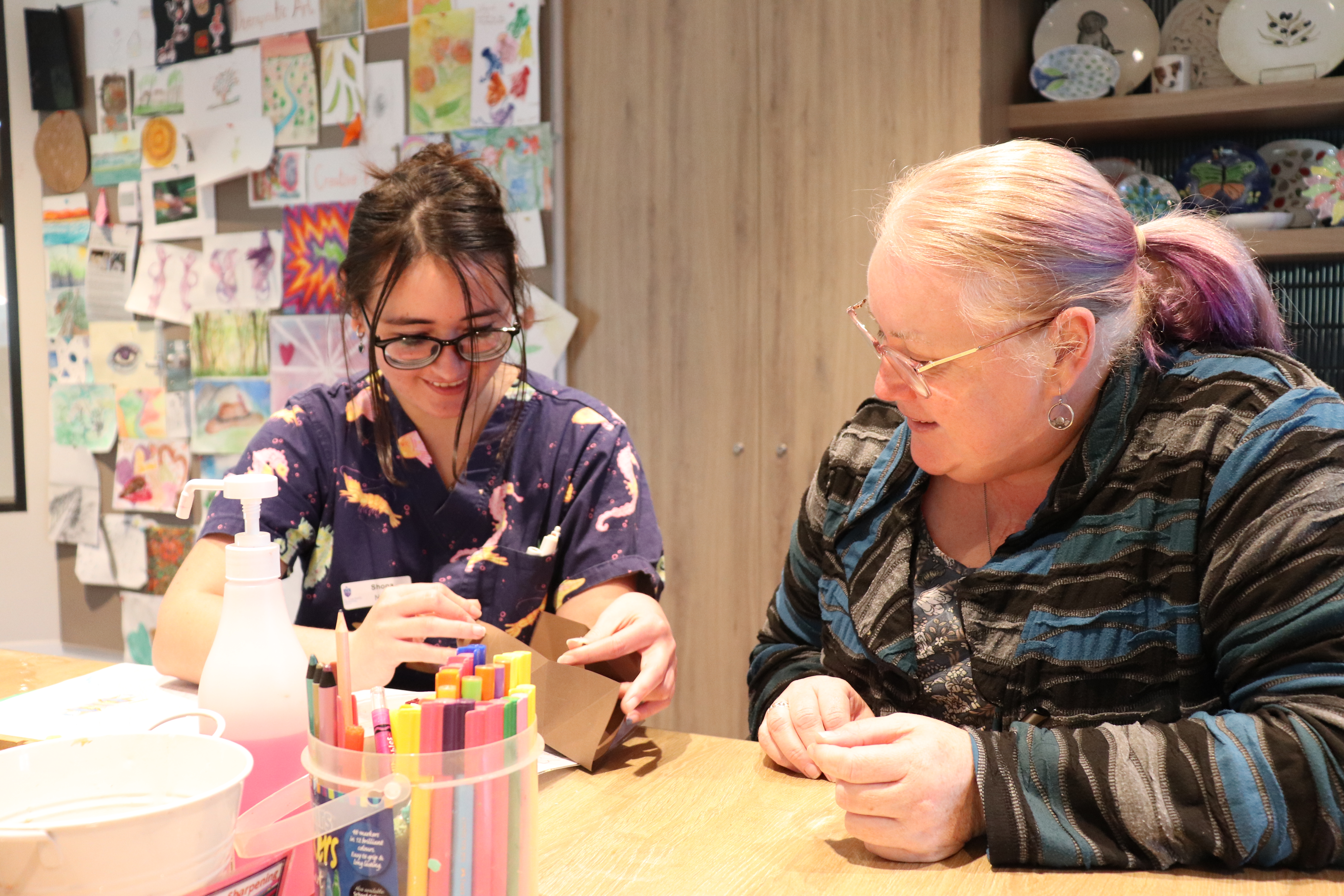
One of our aspirations is to develop a Palliative Care Tourism Program, enabling people from regional and rural Victoria to access intensive specialist palliative care support while staying alongside their families in a dedicated accommodation suite. Rather than travelling to Melbourne solely for appointments, patients and their loved ones could combine their care with meaningful experiences, such as attending a football match, going to the theatre, or visiting their favourite places. This would be supported by specialist clinical care, art therapy, pastoral care and advance care planning services, helping people make the most of the time that matters.
We also hope to establish a dedicated First Nations Healing and Connection suite, developed in partnership with Aboriginal and Torres Strait Islander communities across the state. The space would recognise the profound importance of connection to Country, culture and community.
Through collaboration with local observatories, patients would be able to see the night sky from their traditional lands projected above them. We would also create opportunities for families and communities to bring meaningful items from Country, such as soil, leaves, native plants, artwork, water or other culturally significant objects, so that people can remain connected to home, culture and identity throughout their care.
Another key priority is the continued redevelopment of our gardens to create a Sensory and Celebration Garden, with direct access from patient rooms and family living areas. Too often, patients become disconnected from the outdoors as their illness progresses. This new green space would allow patients and families to move easily between their rooms and a welcoming outdoor environment designed for gathering, reflection and connection. It would be a place to celebrate birthdays, anniversaries and family milestones, creating memories with children and grandchildren, enjoy nature, and simply spend precious time together.
We also envision creating a dedicated Study and Work Hub for patients, families and visitors. Life-limiting illnesses do not stop life. Children still need to complete schoolwork, university students still need to study, and family members often need to continue working while supporting a loved one. Providing a comfortable, technology-enabled workspace would allow people to remain connected to their education, employment and daily responsibilities while staying close to those who matter most.
These projects are about much more than buildings and infrastructure. They are about creating a palliative care service that helps people continue to live, connect, celebrate and belong. They are about ensuring that patients and families have the opportunity to make meaningful memories, remain connected to what matters most, and receive care that supports the whole person.
Your generous support is helping us transform the experience of palliative care for future generations of Victorian families.